

Growing in Popularity: Understanding the Appeal of Vaping Devices
Over the past decade, vaping devices have become increasingly visible across many countries, including Australia. Their modern designs, wide range of flavours, and advanced technology have attracted significant attention from adult consumers. At the same time, health experts, researchers, and regulators continue to study the potential risks and benefits associated with vaping.
This article explores the factors behind the growing popularity of vaping devices, how they work, current regulations in Australia, and important considerations for consumers seeking accurate information.
What Are Vaping Devices?
A vaping device is an electronic product that heats a liquid to create an aerosol that is inhaled by the user. Depending on the product, the liquid may contain nicotine, flavourings, and other ingredients.
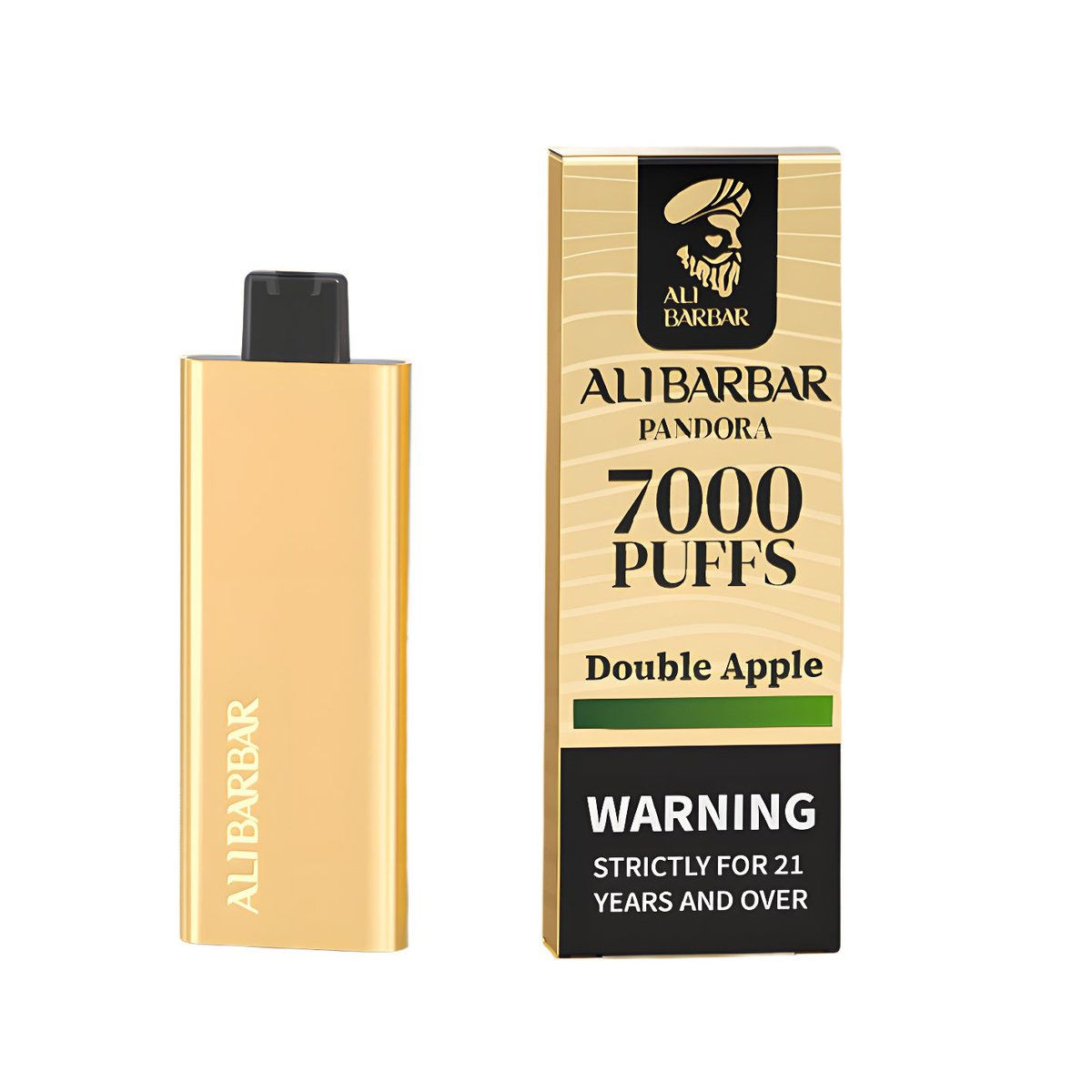
| Device Type | Description |
|---|---|
| Disposable Vapes | Designed for single use and discarded after the liquid is depleted. |
| Rechargeable Vapes | Reusable devices that can be recharged and used multiple times. |
| Pod Systems | Compact devices that use replaceable or refillable pods. |
| Advanced Mods | Larger devices with customizable settings and features. |
The increasing variety of devices has contributed to the industry's growth worldwide.
Why Have Vaping Devices Become Popular?
Modern Technology and Design
Manufacturers have invested heavily in product design, making devices smaller, lighter, and easier to use than earlier generations.
Wide Variety of Flavours
Flavour options have played a significant role in consumer interest. Research has shown that flavour availability is often cited as a reason users choose vaping products over traditional tobacco products.
Convenience
Many devices are portable and require minimal maintenance, making them attractive to some adult consumers.
Social Influence
Social media, online communities, and peer recommendations have increased public awareness of vaping products. This visibility has contributed to growing curiosity among consumers.
How Vaping Differs from Traditional Smoking
Traditional Cigarettes
Traditional cigarettes burn tobacco, producing smoke that contains thousands of chemicals, including many known harmful substances.
Vaping Devices
Vaping devices heat a liquid rather than burning tobacco. As a result, the aerosol produced differs from cigarette smoke.
However, health authorities emphasize that "different" does not necessarily mean "risk-free." Many organizations continue to study the long-term effects of vaping.
Health Considerations and Current Research
What Researchers Know
Studies suggest that vaping aerosols may expose users to substances that can affect respiratory and cardiovascular health.
What Researchers Are Still Studying
Because vaping products are relatively new compared with traditional cigarettes, long-term health outcomes remain an active area of research.
Expert Recommendations
Organizations such as the World Health Organization (WHO), Australian Department of Health, and National Health and Medical Research Council (NHMRC) recommend that consumers stay informed about emerging evidence and regulations.

Vaping Regulations in Australia
Prescription Requirements
Rules regarding nicotine vaping products have evolved over time, and consumers should always verify current requirements through official government sources.
Product Standards
Australian authorities have introduced standards related to product quality, packaging, labelling, and safety.
Why Regulations Matter
- Improve consumer safety
- Reduce access by minors
- Ensure product quality standards
- Support public health objectives
Factors Consumers Should Consider
Product Quality
Choose products that comply with applicable Australian regulations and standards.
Battery Safety
Rechargeable devices should be used according to manufacturer instructions to reduce risks associated with battery misuse.
Ingredient Transparency
Consumers should review ingredient information and understand what is contained in the product.
Personal Health Factors
Individuals with respiratory, cardiovascular, or other health conditions should consult healthcare professionals before using vaping products.
The Future of Vaping Technology
Innovation continues to shape the vaping industry. Emerging developments include:
- Improved battery efficiency
- Enhanced safety features
- Better quality-control systems
- More sustainable product designs
- Reduced environmental impact initiatives
As regulations evolve and research expands, consumers can expect continued changes within the market.
Frequently Asked Questions
Are vaping devices safer than cigarettes?
Some research suggests vaping may expose users to fewer harmful chemicals than combustible cigarettes. However, health authorities emphasize that vaping is not risk-free.
Do all vaping products contain nicotine?
No. Some products contain nicotine, while others do not. Consumers should always review product information carefully.
Are disposable vapes environmentally friendly?
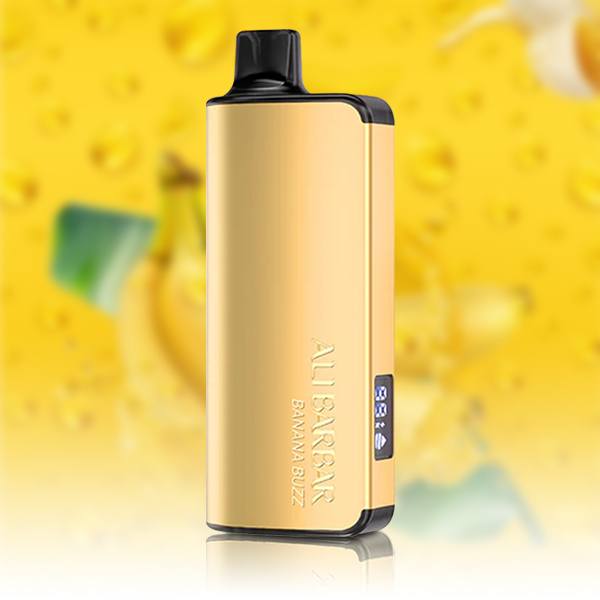
Disposable devices can contribute to electronic waste. Best Alibarbar vape flavours recommend responsible disposal and recycling where available.
Can vaping affect lung health?
Research indicates vaping may affect respiratory health, although scientists continue to study long-term effects.
What should consumers check before purchasing a vaping device?
Consumers should verify regulatory compliance, product quality, safety information, and ingredient transparency.
Conclusion
The popularity of vaping devices reflects a combination of technology, convenience, product variety, and changing consumer preferences. While vaping continues to attract interest worldwide, it is important for consumers to make informed decisions based on reliable research and current regulations.
As scientific understanding develops, staying informed through trusted health authorities and official Australian sources remains the best approach for anyone seeking accurate information about vaping products.
Recommended Resources
Related Articles
- Australian Vaping Regulations Guide
- Understanding Nicotine and Health Impacts
- Consumer Guide to Vaping Device Safety

```